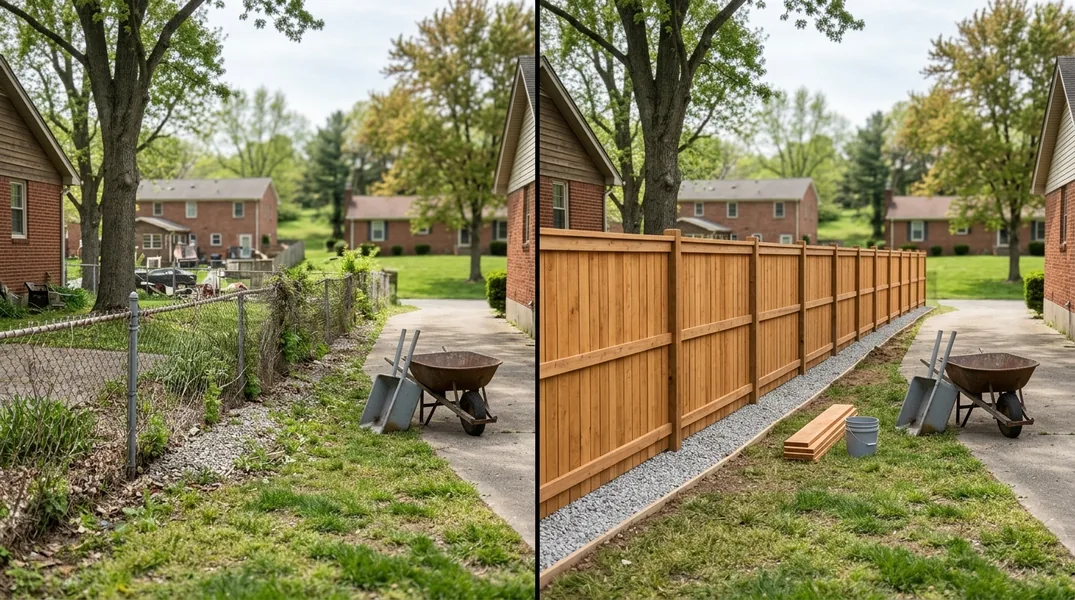
How Long Does a Wood Fence Last in Lexington?
If you have invested in a Wood & Privacy Fence Installation around your Lexington home, you are probably wondering how many years you can expect it to stand strong. The answer depends on several factors, but most wood fences in our region have a lifespan of 15 to 20 years with proper maintenance. Some well-maintained fences can last even longer, while others may deteriorate faster if neglected or exposed to harsh weather conditions.
The Lexington climate plays a significant role in determining your fence's longevity. Our area experiences moderate humidity, seasonal temperature swings, and occasional heavy rainfall. These conditions create an environment where wood can absorb moisture, leading to rot, warping, and splitting over time. The type of wood used, the quality of the installation, and your maintenance routine all contribute to whether your fence reaches the lower or upper end of that 15 to 20 year range.
Key Factors That Affect Wood Fence Lifespan
Several controllable and uncontrollable factors influence how long your wood fence will last. Wood species selection is one of the most important decisions at the outset. Cedar and redwood naturally resist rot and insects better than pressure-treated pine, though they come at a higher cost. Pressure-treated lumber is more affordable and still offers decent durability when properly maintained. The grade and thickness of the wood also matter; thicker boards and higher-quality lumber tend to outlast thinner, lower-grade options.
Environmental exposure is another major consideration. Fences that receive constant direct sunlight may fade and become brittle faster, while those in shaded areas may retain moisture longer and develop mold or mildew. Soil conditions around the fence posts affect how quickly they rot at ground level, which is often the first place problems appear. Poor drainage near your fence line can accelerate deterioration, as can proximity to sprinkler systems or downspouts. Regular maintenance, such as staining, sealing, and cleaning, can add several years to your fence's life by protecting the wood from UV damage and moisture penetration.
Signs You Need a New Fence: What to Look For
Knowing when to replace a fence is just as important as understanding its typical lifespan. The earliest warning signs often appear at the base of the fence posts, where wood is most vulnerable to ground moisture and rot. If you notice soft, crumbly wood, dark discoloration, or visible decay at the bottom of posts, replacement may be approaching. Similarly, if boards are cracked, split, or warped to the point where they no longer sit flush against the rails, the structural integrity is compromised. A fence that leans, sags, or shows uneven sections is another clear indicator that it has reached the end of its useful life.
Pest damage is also a serious concern in our region. Termites, carpenter ants, and other wood-boring insects can hollow out fence posts and boards from the inside, making the fence structurally unsound long before visible damage appears. If you notice small holes, sawdust-like frass, or hollow-sounding wood when you tap on it, have a professional inspect the fence immediately. Persistent mold, mildew, or algae growth that returns quickly after cleaning can also signal that the wood is absorbing too much moisture and may be beginning to fail. When multiple issues appear together, it is usually time to start planning a replacement rather than investing in costly repairs.
Extending Your Fence's Lifespan Through Maintenance
The good news is that proactive maintenance can significantly extend the life of your wood fence. One of the most effective steps is to apply a protective stain or sealant every two to three years. This barrier keeps moisture out of the wood and protects against UV damage that causes fading and brittleness. Before applying a new coat, clean the fence thoroughly with a soft brush and mild detergent to remove dirt, mold, and algae. Pressure washing can work well, but use a low setting to avoid damaging the wood fibers.
Regular inspections are equally important. Walk your fence line at least twice a year, checking for soft spots, cracks, loose boards, and signs of pest activity. Tighten any loose bolts or hardware, and replace individual damaged boards as soon as you notice them rather than waiting for problems to spread. Keep vegetation trimmed back from the fence to improve air circulation and reduce moisture buildup. Ensure that water drains away from the base of posts, and consider installing a gravel or pea stone base around posts to improve drainage. These simple steps can add years to your fence's life and save you thousands in premature replacement costs.
Wood & Privacy Fence Installation Cost in Lexington: What to Budget
When the time comes to replace your fence, understanding the investment required is essential for planning your budget. The pricing for a new wood fence in Lexington depends on several variables, including the type of wood you choose, the height of the fence, the total linear footage, and site conditions. Pressure-treated wood is typically the most affordable option, ranging from moderate to mid-range costs, while cedar and redwood command premium prices due to their superior rot resistance and appearance. A professional installation is worth the investment because proper post setting, spacing, and construction ensure your fence will last as long as possible.
Beyond the initial material and labor costs, factor in long-term maintenance expenses when comparing your options. While wood requires regular staining and sealing, alternative materials like Vinyl & PVC Fence Installation or Chain Link Fence Installation may have different cost structures and maintenance requirements. To get an accurate estimate tailored to your property, reach out to Lexington Fence for a free estimate. Our team can assess your needs, discuss material options, and provide transparent pricing so you can make an informed decision.
When to Call a Professional for Fence Replacement Near Me
Deciding between DIY repairs and professional replacement can be challenging, but certain situations clearly call for expert help. If your fence is leaning, has multiple damaged sections, or shows signs of widespread rot or pest damage, attempting to repair it yourself may only delay the inevitable and waste money on temporary fixes. A professional fence installer has the experience to assess the true condition of your fence, recommend the best course of action, and complete the work correctly the first time. They also have the proper tools, equipment, and knowledge of local building codes to ensure your new fence meets all requirements.
Lexington Fence specializes in helping homeowners navigate the decision between repair and replacement. Our team has served the Lexington area for years and understands the unique challenges our climate poses for wood fences. Whether you are looking to install a new privacy fence, replace an aging one, or explore alternative materials, we are here to help. Call us today at (859) 407-6106 or visit our website to schedule your free estimate. Let us help you choose the right fence solution for your home and budget.
Looking for a professional fence contractor in Lexington? Lexington Fence responds fast for all your fence needs.
Get a Free Quote